
Latest Articles & News
Through Survivors To Superheroes I have been able to process my trauma of sexual violence that I experienced in my youth. Having this platform is a privilege and I recognize that. My first article I wrote was the first time I openly admitted I was a rape survivor. I felt silenced by the media and comments I would see under news articles blaming survivors for coming forward years after it happened and calling them derogatory names. I felt that if I told my story questions would soon follow.
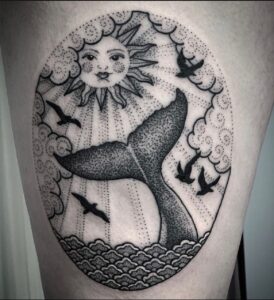
Following the traumatic experience of sexual violence, survivors often feel a deep and frustrating loss of agency over their own bodies. Of course, everyone’s healing process is different, but it’s very common for survivors to seek tattoos and other body modifications as a method of taking back control. To discuss this phenomenon, I reached out to Zoë Bean, a tattoo artist working in Brooklyn at The New Moon Studio. Zoë’s work is stunning, of course (seriously, check out her instagram, it’s amazing)–but more than that, she’s tremendously compassionate and easy to talk to. Even just over the phone, she exudes warmth. Here’s how our conversation went…
As an English major with an emphasis in creative writing, I had the opportunity to work on an honors thesis for a quarter during my senior year. While it was more common to write fiction or poetry for the project, I chose to craft a collection of personal essays dedicated to making sense of some of the most pivotal and emotional moments in my life. As challenging as it was to revisit these painful memories, I found that writing allowed me to chart my thoughts on tough topics to gain a better understanding of complex events that I had previously attempted to suppress. What I came out with at the end of the quarter was an empowering product of reclaiming events that had previously broken me.
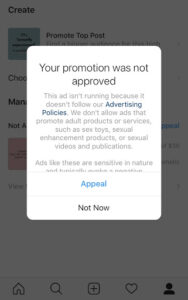
In the United States, survivors must report sexual violence to law enforcement in order to press charges against their assailant. According to the Sex Workers Project, sex workers “are reluctant to go to the police because of potential arrest or further assault,” and this sentiment also applies to undocumented, BIPOC and LGBTQIA+ survivors of sexual violence. Social media can be one of the only ways to have our voices heard, warn others about our perpetrators and receive accountability from the public. Sex education accounts, which often discuss consent and sex positivity, are another form of sexual violence activism that supports survivors and their experiences. Instagram’s new Community Guidelines, which will be instituted on December 20, 2020, threaten the autonomy of survivors and the ability to create sexual education content.
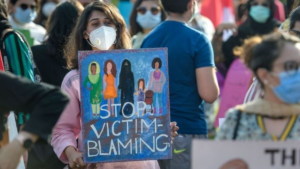
It was just a regular Wednesday morning, I had gotten up from bed to take my class as usual. As part of my regular routine, I scrolled through my social media as I was getting something to eat. Something unusual was happening. There was a dark tone in everyone’s words across Facebook, Twitter and even Instagram. The hashtag #MotorwayIncident was trending all over social media (highways are usually called motorways in Pakistan). I was super confused as I had no idea what was going on. I decided to look further into it, only to realize there was yet another incident of sexual assault reported in Pakistan.